




Germanium optical components are commonly used in infrared systems, thermal imaging cameras, MWIR and LWIR systems, infrared sensors, night vision equipment, and custom optical assemblies.
Because Germanium optics are precision components, proper storage, handling, and cleaning are important to reduce the risk of scratches, coating damage, contamination, edge chips, and performance issues.
Germanium Optics Care Guide: Storage, Handling and Cleaning
Germanium is a commonly used infrared optical material for windows, lenses, blanks, domes, and coated optical components.
It is widely used in thermal imaging, infrared sensors, MWIR systems, LWIR systems, surveillance systems, and custom infrared optical assemblies.
Although Germanium is useful for infrared applications, Germanium optical components should be handled carefully. Poor handling, incorrect cleaning, or improper storage may cause scratches, stains, coating damage, edge chips, or contamination.
This guide explains the basic care methods for Germanium optics.
Why Proper Care Is Important
Germanium optical components are precision parts.
The surface quality, coating condition, and cleanliness can affect the final infrared system performance.
Proper care helps reduce the risk of:
- Surface scratches
- Fingerprints and oil stains
- Dust and particle contamination
- Coating damage
- Edge chips
- Cleaning marks
- Packing damage
- Reduced infrared transmission
- Poor image quality
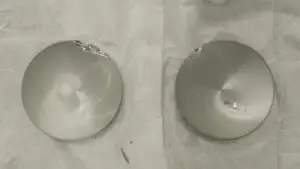
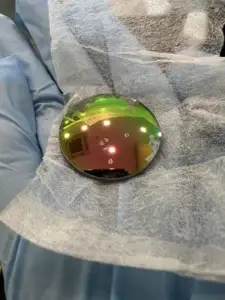
This is especially important for coated Germanium optics, such as AR-coated, DLC-coated, BBAR-coated, or custom-coated components.
Common Germanium Products That Need Care
Germanium optics can be supplied in different forms.
Common product types include:
| Product Type | Common Care Focus |
|---|---|
| Germanium Window | Avoid scratches, fingerprints, coating damage, and edge chips |
| Germanium Lens | Protect optical surfaces, coating, center thickness area, and curved surfaces |
| Germanium Blank | Keep clean and protected before further polishing or coating |
| Germanium Dome | Protect curved surfaces and avoid mechanical impact |
| Coated Germanium Optic | Avoid coating damage, stains, and aggressive cleaning |
| Custom Germanium Component | Follow drawing, packing, and handling requirements |
Storage Guide for Germanium Optics
Germanium optics should be stored in a clean, dry, and protected environment.
Recommended storage practices include:
- Store each Germanium component individually
- Keep the optics inside a clean optical box or protective container
- Avoid direct contact between optical surfaces
- Use soft protective material to prevent movement inside the box
- Keep the optics away from dust, moisture, and chemical vapors
- Avoid high temperature or sudden temperature changes
- Avoid storing heavy parts on top of optical components
- Keep the product label, drawing number, and batch information together with the part
For coated Germanium optics, storage protection is even more important because the coating surface should not be rubbed, pressed, or exposed to contamination.
Handling Guide for Germanium Optics
When handling Germanium products, avoid touching the optical surface directly.
Recommended handling practices include:
- Wear clean powder-free gloves or finger cots
- Hold the part by the edge or non-optical area
- Do not touch the clear aperture area
- Do not place the optical surface directly on a hard table
- Use clean lens tissue, foam, or optical tray when placing the part down
- Avoid dropping, knocking, or sliding the part
- Do not stack optics without protection
- Keep the working area clean and free from hard particles
Fingerprints, skin oil, dust, and small particles may affect the optical surface or coating if they are not removed properly.
Cleaning Guide for Germanium Optics
Cleaning Germanium optics should be done carefully.
Before cleaning, it is important to understand whether the part is uncoated, AR-coated, DLC-coated, BBAR-coated, or custom-coated. Different coatings may have different cleaning requirements.
A general cleaning method may include:
Step 1: Remove Loose Dust
Use clean air, nitrogen, or a soft optical air blower to remove loose dust and particles.
Do not rub the surface when particles are still present, because this may cause scratches.
Step 2: Use Proper Optical Cleaning Material
Use clean optical lens tissue, lint-free wipes, or approved optical cleaning swabs.
Avoid rough cloth, paper towel, tissue paper, or abrasive materials.
Step 3: Apply Suitable Cleaning Solvent
Use a suitable optical cleaning solvent, such as high-purity isopropyl alcohol or other approved optical solvent, depending on the coating and application.
Do not pour solvent directly onto the optic.
Apply a small amount to the lens tissue or wipe instead.
Step 4: Wipe Gently
Wipe gently in one direction with light pressure.
Avoid circular rubbing or repeated aggressive wiping.
For lenses or domes, follow the surface curve carefully and avoid pressing too hard.
Step 5: Inspect After Cleaning
After cleaning, inspect the surface under suitable lighting.
Check for:
- Remaining dust
- Fingerprints
- Cleaning marks
- Stains
- Coating defects
- Scratches or digs
If contamination remains, repeat the cleaning gently with fresh cleaning material.
Cleaning Precautions
When cleaning Germanium optics, avoid the following:
- Do not touch the optical surface with bare fingers
- Do not wipe a dry dusty surface directly
- Do not use rough cloth or normal tissue paper
- Do not use excessive pressure
- Do not use unknown chemicals
- Do not soak the part unless approved
- Do not use ultrasonic cleaning unless confirmed suitable
- Do not scrape the surface with tools
- Do not reuse dirty lens tissue or wipes
- Do not clean coated surfaces aggressively
If the optic has special coating or strict performance requirements, the cleaning method should be confirmed before cleaning.
Care for AR-Coated Germanium Optics
AR coating is used to reduce reflection and improve infrared transmission.
For AR-coated Germanium optics:
- Avoid touching the coated surface
- Do not rub the coating with force
- Remove dust before wiping
- Use only clean optical cleaning materials
- Avoid unknown solvents
- Store the part separately to avoid coating scratches
AR-coated surfaces should be protected from contamination and mechanical contact.
Care for DLC-Coated Germanium Optics
DLC coating is often used to improve surface protection, especially for outdoor or exposed applications.
Although DLC coating can provide better surface durability, it should still be handled carefully.
For DLC-coated Germanium optics:
- Avoid unnecessary rubbing
- Remove particles before cleaning
- Use clean optical wipes or lens tissue
- Do not use abrasive cleaning tools
- Avoid impact or edge damage
- Store with proper surface protection
DLC coating helps improve surface protection, but it does not mean the optic can be cleaned roughly.
Care for Germanium Lenses and Domes
Germanium lenses and domes have curved optical surfaces, so they need extra care.
For lenses and domes:
- Hold only by the edge or mechanical area
- Avoid placing the curved surface directly on a table
- Use a suitable holder, tray, or foam protection
- Clean following the curved surface gently
- Avoid pressing the center area strongly
- Protect both optical surface and edge area
- Avoid impact during packing and unpacking
Germanium domes are especially sensitive to mechanical contact because of their curved shape.
Packing After Cleaning
After cleaning, Germanium optics should be packed properly.
Recommended packing practices include:
- Use clean individual packing
- Add lens caps or protective film only if suitable
- Use soft foam or optical-grade packing material
- Prevent movement inside the box
- Keep coated surfaces away from direct contact
- Label the part clearly
- Include inspection report or packing list if required
- Store packed parts in a dry and clean area
Good packing helps reduce the risk of scratches, coating damage, edge chips, and contamination during storage or shipment.
Simple Care Guide Table
| Care Area | Recommended Practice | Avoid |
|---|---|---|
| Storage | Store individually in clean, dry protective box | Do not stack optics without protection |
| Handling | Wear gloves and hold by the edge | Do not touch optical surface directly |
| Dust Removal | Use clean air, nitrogen, or optical blower | Do not wipe dusty surface directly |
| Cleaning Material | Use lens tissue, lint-free wipe, or optical swab | Do not use normal tissue or rough cloth |
| Cleaning Solvent | Use approved optical solvent | Do not use unknown chemicals |
| Wiping Method | Wipe gently with light pressure | Do not rub aggressively |
| Coated Optics | Protect AR, DLC, or BBAR coating | Do not scrape or press coating surface |
| Packing | Use individual protection and soft packing | Do not allow parts to move inside box |
Conclusion
Proper storage, handling, and cleaning are important for Germanium optical components.
Germanium windows, lenses, blanks, domes, and coated optics should be stored individually, handled with gloves, cleaned using proper optical materials, and packed with suitable protection.
For coated Germanium optics, such as AR-coated, DLC-coated, BBAR-coated, extra care should be taken to avoid coating damage and cleaning marks.
POC supplies Germanium windows, lenses, blanks, domes, coated Germanium optics, and custom Germanium optical components based on customer drawings and application requirements.
Contact us to discuss your Germanium optical component requirements.