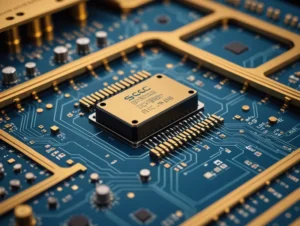
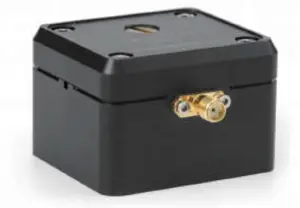
Role: Convert optical signals back into electrical signals and reconstruct the transmitted information.
Key Parts:
Photodetector (e.g., PIN diode or avalanche photodiode).
Demodulation circuitry to extract the transmitted data.
Advancements: Enhanced photodetectors achieve greater sensitivity, ensuring accurate signal detection even in low-power conditions.
Conclusion
The synergy of advanced optical components ensures the efficiency and reliability of modern optical communication systems. Continuous innovation in optical fibers, amplifiers, and integrated components is driving the evolution of high-capacity, long-distance communication, cementing optical communication as a cornerstone of global connectivity.
Optical communication systems distinguish themselves from other telecommunication systems by employing light as the carrier of information. With a transmission frequency in the range of 100 THz, optical communication achieves exceptional bandwidth efficiency, enabling data rates of up to several Tbps. The fundamental structure of such a system involves key components like optical transmitters, amplifiers, and receivers.
The Basic Structure of an Optical Communication System
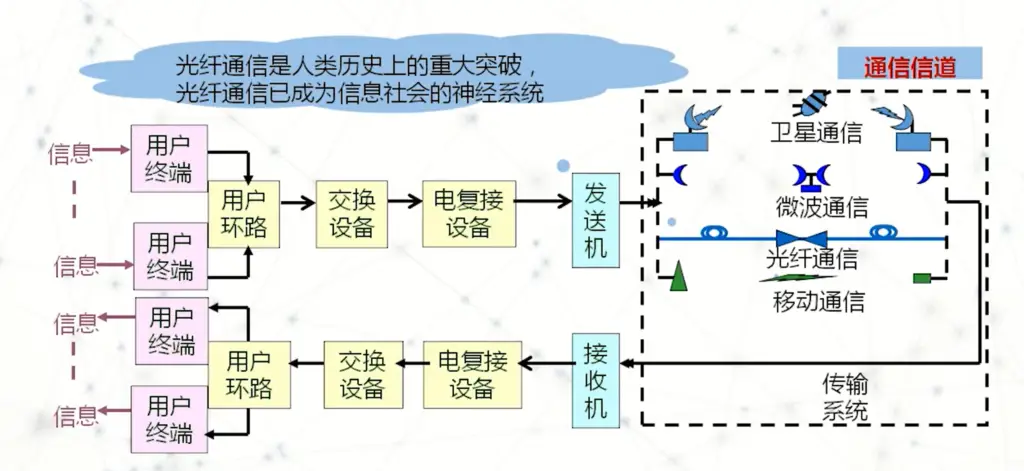
An optical communication system generally consists of three main parts:
Optical Transmitter: Converts electrical signals into optical signals for transmission.
Communication Channel: Transmits the optical signals via fiber optic cables or free-space mediums.
Optical Receiver: Reconstructs the original electrical signals from the received optical signals.
The table below shows the primary structure of an optical communication system:
Component
Function
Optical Transmitter
Converts electrical signals into light signals.
Communication Channel
Transmits the light signals through an optical medium.
Optical Receiver
Converts light signals back into electrical signals.
Key Components of Optical Communication Systems
Optical Receivers
Role: Convert optical signals back into electrical signals and reconstruct the transmitted information.
Key Parts:
Photodetector (e.g., PIN diode or avalanche photodiode).
Demodulation circuitry to extract the transmitted data.
Advancements: Enhanced photodetectors achieve greater sensitivity, ensuring accurate signal detection even in low-power conditions.
Conclusion
The synergy of advanced optical components ensures the efficiency and reliability of modern optical communication systems. Continuous innovation in optical fibers, amplifiers, and integrated components is driving the evolution of high-capacity, long-distance communication, cementing optical communication as a cornerstone of global connectivity.
Optical Receivers
Role: Convert optical signals back into electrical signals and reconstruct the transmitted information.
Key Parts:
Photodetector (e.g., PIN diode or avalanche photodiode).
Demodulation circuitry to extract the transmitted data.
Advancements: Enhanced photodetectors achieve greater sensitivity, ensuring accurate signal detection even in low-power conditions.
Conclusion
The synergy of advanced optical components ensures the efficiency and reliability of modern optical communication systems. Continuous innovation in optical fibers, amplifiers, and integrated components is driving the evolution of high-capacity, long-distance communication, cementing optical communication as a cornerstone of global connectivity.
Optical Fibers
Role: Optical fibers serve as the primary medium for transmitting light signals over long distances.
Features:
Low attenuation and dispersion reduce signal degradation.
Advanced single-mode fibers achieve minimal pulse broadening, enabling higher data rates and longer transmission distances.
Advancements: Modern optical fibers now support attenuation limits of 0.14 dB/km, significantly enhancing transmission efficiency.
Optical Amplifiers
Role: Amplify light signals to extend their reach in long-haul communication systems.Example: Erbium-Doped Fiber Amplifier (EDFA) is widely used to enhance signal strength without requiring electrical conversion.Functionality:
Amplifies signals directly in the optical domain.Maintains high signal integrity over extended distances.
Passive Optical Components
Role: Facilitate signal routing, switching, and distribution within the network.
Examples:
Splitters and combiners for signal management.
Wavelength Division Multiplexers (WDM) for signal multiplexing.
Advancements: Ongoing research aims to integrate passive components into entirely optical networks, eliminating the need for electrical conversions.
Optical Transmitters
Role: Transform electrical signals into modulated light signals for transmission.
Components:
Light source (e.g., laser diodes).
Modulation circuitry for embedding data into light signals.
Technological Developments: High-efficiency laser diodes and modulators ensure precise signal encoding and transmission.
Optical Receivers
Role: Convert optical signals back into electrical signals and reconstruct the transmitted information.
Key Parts:
Photodetector (e.g., PIN diode or avalanche photodiode).
Demodulation circuitry to extract the transmitted data.
Advancements: Enhanced photodetectors achieve greater sensitivity, ensuring accurate signal detection even in low-power conditions.
Conclusion
The synergy of advanced optical components ensures the efficiency and reliability of modern optical communication systems. Continuous innovation in optical fibers, amplifiers, and integrated components is driving the evolution of high-capacity, long-distance communication, cementing optical communication as a cornerstone of global connectivity.
Optical communication systems distinguish themselves from other telecommunication systems by employing light as the carrier of information. With a transmission frequency in the range of 100 THz, optical communication achieves exceptional bandwidth efficiency, enabling data rates of up to several Tbps. The fundamental structure of such a system involves key components like optical transmitters, amplifiers, and receivers.
The Basic Structure of an Optical Communication System
An optical communication system generally consists of three main parts:
Optical Transmitter: Converts electrical signals into optical signals for transmission.
Communication Channel: Transmits the optical signals via fiber optic cables or free-space mediums.
Optical Receiver: Reconstructs the original electrical signals from the received optical signals.
The table below shows the primary structure of an optical communication system:
Component
Function
Optical Transmitter
Converts electrical signals into light signals.
Communication Channel
Transmits the light signals through an optical medium.
Optical Receiver
Converts light signals back into electrical signals.
Key Components of Optical Communication Systems
Optical Receivers
Role: Convert optical signals back into electrical signals and reconstruct the transmitted information.
Key Parts:
Photodetector (e.g., PIN diode or avalanche photodiode).
Demodulation circuitry to extract the transmitted data.
Advancements: Enhanced photodetectors achieve greater sensitivity, ensuring accurate signal detection even in low-power conditions.
Conclusion
The synergy of advanced optical components ensures the efficiency and reliability of modern optical communication systems. Continuous innovation in optical fibers, amplifiers, and integrated components is driving the evolution of high-capacity, long-distance communication, cementing optical communication as a cornerstone of global connectivity.
Optical Receivers
Role: Convert optical signals back into electrical signals and reconstruct the transmitted information.
Key Parts:
Photodetector (e.g., PIN diode or avalanche photodiode).
Demodulation circuitry to extract the transmitted data.
Advancements: Enhanced photodetectors achieve greater sensitivity, ensuring accurate signal detection even in low-power conditions.
Conclusion
The synergy of advanced optical components ensures the efficiency and reliability of modern optical communication systems. Continuous innovation in optical fibers, amplifiers, and integrated components is driving the evolution of high-capacity, long-distance communication, cementing optical communication as a cornerstone of global connectivity.
Optical Fibers
Role: Optical fibers serve as the primary medium for transmitting light signals over long distances.
Features:
Low attenuation and dispersion reduce signal degradation.
Advanced single-mode fibers achieve minimal pulse broadening, enabling higher data rates and longer transmission distances.
Advancements: Modern optical fibers now support attenuation limits of 0.14 dB/km, significantly enhancing transmission efficiency.
Optical Amplifiers
Role: Amplify light signals to extend their reach in long-haul communication systems.Example: Erbium-Doped Fiber Amplifier (EDFA) is widely used to enhance signal strength without requiring electrical conversion.Functionality:
Amplifies signals directly in the optical domain.Maintains high signal integrity over extended distances.
Passive Optical Components
Role: Facilitate signal routing, switching, and distribution within the network.
Examples:
Splitters and combiners for signal management.
Wavelength Division Multiplexers (WDM) for signal multiplexing.
Advancements: Ongoing research aims to integrate passive components into entirely optical networks, eliminating the need for electrical conversions.
Optical Transmitters
Role: Transform electrical signals into modulated light signals for transmission.
Components:
Light source (e.g., laser diodes).
Modulation circuitry for embedding data into light signals.
Technological Developments: High-efficiency laser diodes and modulators ensure precise signal encoding and transmission.
Optical Receivers
Role: Convert optical signals back into electrical signals and reconstruct the transmitted information.
Key Parts:
Photodetector (e.g., PIN diode or avalanche photodiode).
Demodulation circuitry to extract the transmitted data.
Advancements: Enhanced photodetectors achieve greater sensitivity, ensuring accurate signal detection even in low-power conditions.
Conclusion
The synergy of advanced optical components ensures the efficiency and reliability of modern optical communication systems. Continuous innovation in optical fibers, amplifiers, and integrated components is driving the evolution of high-capacity, long-distance communication, cementing optical communication as a cornerstone of global connectivity.